Wednesday, 15 June 2016
Tuesday, 7 June 2016
Be True To Your School
Photo sources here and here

I think the use of our mascot the "Golden Eagles", as well as our school's logo in my design was an effective way to really represent "Blackville School". Instead of using a typical mascot costume on the van, I used an actual eagle to appear more professional.
The most challenging part for me was deciding on a van/bus to use for the design. I did not want to use a plain bus, so it took a lot of time to find one that actually had one of our school colours.
The easiest part for me was deciding what to do with the van. I have seen many sport/school related buses around, so I had a good idea of what would look most presentable.
I wouldn't say I have a lot of interest in digital art o design, it is not really something I enjoy, or even something I am particularly good at.
Monday, 6 June 2016
Before the War
Before:

After:

The most challenging part of the photo to restore was the man's hair. In the original he did not have much of it that was not destroyed by the photo, so using what little remained to create a new head of hair was extremely difficult. The easiest thing to restore for me was his suit, it had little to no damage so the bit that was was easy to restore.
I have never retouched or restored a photo before, I never had to at any point in my life.
In my opinion, I do not believe I would want to do this for a living. I am not very good at it, so it would not make me much money, plus I did not find it an exceptionally exciting project.
Friday, 3 June 2016
Freak of Nature
I have chosen to combine the body of a seal pup, with the head of a Golden Retriever puppy. This was my plan because the seal is commonly referred to as the "Sea dog", and I thought it would be interesting to see what an actual dog, mixed with the sea animal characteristics, would look like.
The most challenging part of this project for me was the blending. It was extremely difficult to attempt and make the head of the puppy appear like it actually belonged on the body of a seal. Yet, the easiest part for me was the placement of the head, and transferring one image to the next. Also, I found trimming the outer layer of the puppy head that was left over from it's original picture quite simple.
I do not exactly think my picture looks expertly realistic, but I do believe the colours match very well with each other. The part for me that appears slightly off, would be the blending of the puppy's head, is seems quite "anti-smooth" in a way.
The only time I can ever remember using picture editing software was when I was in middle school. It was very common for younger children to take pictures and edit them in extreme ways, that were clearly not actual part of the picture. For instance, I would place quotes or phrases that I thought were cool in the middle of a normal picture, then add stickers to it. It was far from a good editing process as it was certainly obvious.
Picture sources can be found here and here.
Thursday, 2 June 2016
Monday, 9 May 2016
Automotive Technology Research Assignment
The finished product of this assignment can be found at:
http://bbt10minicooper.blogspot.ca/
Sunday, 1 May 2016
Automobile Body Styles and Design
Automobile Body Styles:

Sports car-
Designed for high speeds, sports cars are typically low-built. They will seat usually two people, as it is a two door vehicle as well. Body styles may vary, but the appearance of a sports car is quite easily determined.

Coupe-
Coupes are typically a two door car, with a fixed roof. Body style varies depending on the manufacturer. They are often referred to as the sporty variants of saloon cars.

Hatchback-
Different from SUVs, MPVs, or vans because of their compact body style, a hatchback is a car with a sloping rear, with a hinged door that opens upwards. They are usually able to seat for four-five people.

Photos found at http://morguefile.com/
Automobile Design:
Starting with the sketching, or designing phase, it typically will take up to three years to design a car.
Design is called problem solving because as a designer, they must find something that will please everyone, based on a specific criteria. The finished product needs to be flawless, and problem-less, so as a designer, they are the problem solver.
The feasibility stage is when the sketches are negotiated, and decided if they can be done. This is the largest part to designing a car. They match up with the engineers, marketing, and the product planners.
I do think being an automobile designer would interest me. It takes a lot of imagination, and work to design a vehicle that will become useful to others in the future, and I think I would enjoy that. Along with the ability to stay in touch with the needs of others, and what the people want, I think I could be slightly skilled in that area.
SUV (Sports Utility Vehicle)-
Designed for on, and off-road use, an SUV is similar to an estate, but usually bigger and with more lift. Also, they usually have four-wheel drive, and some have the towing capacity of a pickup. Passenger carrying capacity is large, similar to that of a minivan or large sedan.

Pickup-
Equipped with a light motor, and an open rear cargo area, a pickup is often available with two or four doors for the passenger compartment. They are typically useful in hauling or carrying large loads.
Designed for on, and off-road use, an SUV is similar to an estate, but usually bigger and with more lift. Also, they usually have four-wheel drive, and some have the towing capacity of a pickup. Passenger carrying capacity is large, similar to that of a minivan or large sedan.
Pickup-
Equipped with a light motor, and an open rear cargo area, a pickup is often available with two or four doors for the passenger compartment. They are typically useful in hauling or carrying large loads.
Sports car-
Designed for high speeds, sports cars are typically low-built. They will seat usually two people, as it is a two door vehicle as well. Body styles may vary, but the appearance of a sports car is quite easily determined.
Coupe-
Coupes are typically a two door car, with a fixed roof. Body style varies depending on the manufacturer. They are often referred to as the sporty variants of saloon cars.
Hatchback-
Different from SUVs, MPVs, or vans because of their compact body style, a hatchback is a car with a sloping rear, with a hinged door that opens upwards. They are usually able to seat for four-five people.
Photos found at http://morguefile.com/
Automobile Design:
Starting with the sketching, or designing phase, it typically will take up to three years to design a car.
Design is called problem solving because as a designer, they must find something that will please everyone, based on a specific criteria. The finished product needs to be flawless, and problem-less, so as a designer, they are the problem solver.
The feasibility stage is when the sketches are negotiated, and decided if they can be done. This is the largest part to designing a car. They match up with the engineers, marketing, and the product planners.
I do think being an automobile designer would interest me. It takes a lot of imagination, and work to design a vehicle that will become useful to others in the future, and I think I would enjoy that. Along with the ability to stay in touch with the needs of others, and what the people want, I think I could be slightly skilled in that area.
Saturday, 30 April 2016
Careers and Certification in the Automotive Industry.
Careers in the Automotive Industry:
Some of the high-tech systems on automobiles today that were unheard of 30 years ago are stability and traction control systems, adaptive cruise control and variable valve timing.
Young people should have skills in math, science, communications and technical skills for a career as an automotive technician.
Some advantages in obtaining an education as an automotive technicians versus other high-tech educational options is that unlike many high-tech careers that require four, six, or even eight years of college, automotive technology careers can begin after just two years of education. As well, students in automotive technology can get out into the real world sooner, with less college debt.
They forecast automotive repair and maintenance industry will add 237,500 new jobs and have a 30 percent growth rate through 2020.
One thing that the automotive technician career is fairly "immune" to is the issue with outsourcing, because these jobs are needed all over.
Four other positions that an automotive technician can do in the automotive industry include, collision repair, painting, vehicle maintenance, and motorsports.
The automotive technician role is sometimes called "the portal career" because so many people have started their careers in the automotive aftermarket as an auto technician.
Jobs in the Automotive Industry:
The job that I would enjoy the most from the list provided in the article would be Classic car restorer. This job would be extremely enjoyable for me because, not only do I make my own hours, but I would get to marvel at the classics all day. I love the look of old, classic cars, although I know nothing about cars in general, it would still be nice to see an old beauty restored to its natural state. Being a Supercar test driver would have to be the job that I would dislike the most. First off, I am not one to enjoy speed, having to drive fast to test out the vehicle that I know pretty much nothing about, would be terrifying for me. As well, taking the safe side of things is always the way I lean, so becoming the one who sort of "makes" the safe side, would not cut it for me. The dangers that come along with being a test driver are too great for me to ignore.
Some of the high-tech systems on automobiles today that were unheard of 30 years ago are stability and traction control systems, adaptive cruise control and variable valve timing.
Some advantages in obtaining an education as an automotive technicians versus other high-tech educational options is that unlike many high-tech careers that require four, six, or even eight years of college, automotive technology careers can begin after just two years of education. As well, students in automotive technology can get out into the real world sooner, with less college debt.
One thing that the automotive technician career is fairly "immune" to is the issue with outsourcing, because these jobs are needed all over.
The automotive technician role is sometimes called "the portal career" because so many people have started their careers in the automotive aftermarket as an auto technician.
Reflection:
Some aspects of being an automotive technician that I think I would enjoy would be the constant work involved. I am one who will become, how you say, "antsy" when left doing nothing for too long, so this job would appeal to me in this way. Learning new tools and technology continuously throughout the course would be another interest of mine. I very much enjoy learning new things, so this aspect would be fulfilling for me. An interesting part of the video for me, was how working with the vehicles was something of an art. You needed to have all the proper equipment, and every piece fit into the process in some way. It interested me, how much technology is actually being used in these jobs. This notion of life-long learning comes into play with the new technology that is created every day. As an automotive technician, it would be extremely important for you to be aware of the changes in auto mobiles. If a new accessory is added from new inventions, than it would be essential to be aware of the challenges of these devices, and how to handle them/fix them when necessary. I think some characteristics and skills someone should possess when considering a career as an automotive technician would include whether or not the constant, hands on experience, work force is really something they would excess in. Also, as said in the video, having good communication skills would be an important aspect of the job, seeing as many customers will come in, and be unaware of the actual problem. You need to know how to handle the cars, as well as the people who drive them.
Certification in the Automotive Industry:
NATEF (National Automotive Technicians Education Foundation ): Their mission is to evaluate and improve the quality of automotive technician training programs nationwide. As an industry they examine the structure, resources and quality of training programs all over. Then they judge each against standards established by the industry.
SGS (Société Générale de Surveillance): Their purpose is to help every player in the automotive industry improve performance and reduce risk. The services provided by the industry focus on the design, construction and operation of motor vehicle inspection solutions all over the world.
ASE (Automotive Service Excellence): They work to improve the quality of vehicle repair and service by testing and certifying automotive professionals.
NATEF (National Automotive Technicians Education Foundation ): Their mission is to evaluate and improve the quality of automotive technician training programs nationwide. As an industry they examine the structure, resources and quality of training programs all over. Then they judge each against standards established by the industry.
SGS (Société Générale de Surveillance): Their purpose is to help every player in the automotive industry improve performance and reduce risk. The services provided by the industry focus on the design, construction and operation of motor vehicle inspection solutions all over the world.
ASE (Automotive Service Excellence): They work to improve the quality of vehicle repair and service by testing and certifying automotive professionals.
Thursday, 21 April 2016
Emerging Technologies and Automobiles.
Technologies in Development
Tech for the Sake of Tech?
I did find it surprising that younger people did not care about having smart phone connectivity options in their automobiles. This is shocking to me because as a generation that revolves around availability and technology, you would think the efficiency provided by these resources would be astonishing in their eyes. I feel like my generation would love this option. As we are known for always having our noses stuck in our phones, it seems like we would enjoy these options to their greatest extent. It would be a very beneficial source, being able to use our phones, without the dangers that come along with the actual thing. As well, the ability to cut off connection when needed seems to be a option that could benefit many.
The other technologies mentioned in the article to me, do help address the dangers of distracted driving, but in a way, it does make it easier for drivers to take more risks. Knowing that the technology will help you be aware of near objects, and will actually take over for you in some cases, almost seems like an invitation to drive distractedly. Yet, it could be a very beneficial aspect to many of whom are maybe unable to keep focused, or have too many distractions. The way I see it, if you are distracted to a point where you are unable to focus on your driving abilities, then you probably should not be driving in the first place.
Out of the six emerging technologies from the article, I believe the flying car would be the least likely to happen. The issues that come along with flight and air traffic is far too great to risk. As well, the developments that must be made are too complicated to happen within the next 30, even 50 years. Regarding the issue of air traffic, it will be very difficult to avoid air flight collisions. The roads may seem harsh during traffic hours, but imagine a sky full of traffic. This topic has been in discussion for years, and the variables involved in trying to avoid these issues seem to be too much to make this development.
I feel the Next-Gen Active Safety Features will have the biggest impact on society. Almost 100% of vehicle accidents occur because of distractions. With this feature, any interruptions can be cut off when in stressful situations. This way, when you are driving in heavy traffic, and your stress levels increase, the sensors will notice. For your safety, and those around you, the car's system will hold calls, and turn any other disturbances to a minimum. This will impact the way people drive, and be an extreme improvement for collisions caused by distracted drivers.
Car-to-Car Communication seems to be an almost reality, and the closest to being used in the newer cars today. Even with Cadillac Super Cruise, there has to be some form of sensing device to indicate how close the vehicle is to others. This technology seems to be developing quickly, and even many cars that have come out in recent years, possess a device or system similar to this. Just look at park assist technology: the vehicle's sensing systems, are aware of how close you are to other objects, allowing it to inform you when this becomes a hazard.
My thoughts on the flying automobile is that they can become dangerous to everyone involved. Take offs could be messy, and there is always the chance of something failing while in flight. If there is a back up plan for failure, or any other safety precautions, then I would say that it is a good idea, as long as the plan is well thought out for the safety of it's passengers. Some benefits of having an automobile that can travel by land and air would include: faster travel over long distances, also, the ability to fly over bodies of water that may cause an unnecessary dent in your travels. Disadvantages of the flying automobile would be the safety issues that come along with the invention. Any air born malfunctions that could cause major injuries, or even death, are huge disadvantages of the device, that cannot be taken lightly.
I feel the Next-Gen Active Safety Features will have the biggest impact on society. Almost 100% of vehicle accidents occur because of distractions. With this feature, any interruptions can be cut off when in stressful situations. This way, when you are driving in heavy traffic, and your stress levels increase, the sensors will notice. For your safety, and those around you, the car's system will hold calls, and turn any other disturbances to a minimum. This will impact the way people drive, and be an extreme improvement for collisions caused by distracted drivers.
Car-to-Car Communication seems to be an almost reality, and the closest to being used in the newer cars today. Even with Cadillac Super Cruise, there has to be some form of sensing device to indicate how close the vehicle is to others. This technology seems to be developing quickly, and even many cars that have come out in recent years, possess a device or system similar to this. Just look at park assist technology: the vehicle's sensing systems, are aware of how close you are to other objects, allowing it to inform you when this becomes a hazard.
I think Ford's "Driver Workload Estimator" with it's bio-metric sensing system could help keep drivers and their passengers safer by avoiding distractions that may effect their driving ability. The technology will eliminate any disturbances that could possibly become dangerous for other drivers, or passengers in the vehicle. As well, the system will be aware of how the driver is feelings, and would have the ability to help them through situations that they may feel helpless in.
Regarding the idea of a self-driving automobile (or autonomous automobile), I would have to say I stand on the position of the "experience". Sure, a car that drives itself could be helpful for those who live busy lives, and may not have the time to do tasks such as driving, but there is always that issue involving technology: it does not always work the way we plan. To me, spending your hard earned money on something that isn't necessarily useful, is pointless. Yet, it could be a useful gadget for others. I think you should be given the choice of which you want to drive. If the technology behind the self-driving cars are so advanced, then it should not be a problem to develop them to know how to share the roads with human controlled vehicles as well.
Tech for the Sake of Tech?
I did find it surprising that younger people did not care about having smart phone connectivity options in their automobiles. This is shocking to me because as a generation that revolves around availability and technology, you would think the efficiency provided by these resources would be astonishing in their eyes. I feel like my generation would love this option. As we are known for always having our noses stuck in our phones, it seems like we would enjoy these options to their greatest extent. It would be a very beneficial source, being able to use our phones, without the dangers that come along with the actual thing. As well, the ability to cut off connection when needed seems to be a option that could benefit many.
The other technologies mentioned in the article to me, do help address the dangers of distracted driving, but in a way, it does make it easier for drivers to take more risks. Knowing that the technology will help you be aware of near objects, and will actually take over for you in some cases, almost seems like an invitation to drive distractedly. Yet, it could be a very beneficial aspect to many of whom are maybe unable to keep focused, or have too many distractions. The way I see it, if you are distracted to a point where you are unable to focus on your driving abilities, then you probably should not be driving in the first place.
When I consider drivers I know, like family and friends, I would have to say new technological features are not the most important aspect when considering a vehicle to purchase. Especially with my family, who must travel back and forth every morning for work, their biggest concern is gas mileage, and how well the car is going to drive. My parents particularly, have terrible luck with cars, and how well they run before something goes wrong, so this is more of a concern for them. These other features that are added are not a major priority, but a bonus feature, to sort of add to the experience. They are not a requirement to my family or friends when purchasing vehicles, and I believe it would not be one for me either.
One new technological feature that I would like to have, or would look for, when purchasing my own automobile would be Bluetooth connectivity. This would be an important addition for me because if something were to happen to someone in my family, or there was something urgent that I needed to be aware of, it would be helpful to not worry about the distraction of my cellphone. This way, I could continue to drive safely, while continuing the conversation. As a very curious person, I feel the need to know as much information about a situation as possible, so with this feature, I could do so, without endangering any lives, including my own.
A new feature that was introduced in 1939, the first air conditioning system, is one that some automobile operators may have seen as unnecessary in the past. Enjoying the freedom feeling of having the windows rolled down, and a cool breeze flowing in, was probably one of the main concerns of drivers then. When the air conditioning system was first introduced, it is my opinion that many people may have believed there was no point to the feature, when they already have windows. Although, eventually, as times changed, and days where a cool breeze may have been too warm, or in places where the dust was too much to keep the windows down had passed, they would have seen the true purpose behind such a feature.
The History of the Automobile.
Carl Benz:
1.The automobile has been around for 120 years.
2.A patent is "a government authority or license conferring a right or title for a set period, especially the sole right to exclude others from making, using, or selling an invention."
3.The title Carl Benz uses to describe the automobile, after obtaining a patent is "Vehicle with Gas Engine".
4.The wife of Carl Benz, Berta, drives his invention to Fort Times, without Carl's knowledge, in August of 1888. This is when the first petrol station is born.
5.The "axial pivot steering system" helped solve the issue with steering, and being able to turn both wheels at the same time.
6.The new name of the merged companies is Mercedes Benz.
7.Benz lived to see his dreams come true, this is something that many pioneers in technology never experience.
Henry Ford and the Model T:
1. The assembly line changed from its original position of having the people move down the line, rotating between items, to the lines themselves moving the items around the people.
2. Workers tended to stay longer, and were more committed to Ford's company than others at the time because Henry treated all workers equally. Payments were equal for everyone, and he guaranteed a more “livable wage” than anyone else.
3. The first Model T costed a little over a thousand dollars. It was made for the common folk at the time who couldn't afford carriages, or more expensive forms of transportation.
4. The price of the Model T dropped to eight hundred, then dramatically to about $365.00. I think this drop occurred because of the production of automobiles. Perhaps he began without competition, but later, needed to compete against other companies for business.
5. Model Ts offered people a more efficient form of transportation they could use. They could travel to any place, at any time, without having to wait for train times, etc.
My Video Selections:
Tucker's Dream Impacts Auto Industry
- His vision was to build his own company from the ground up, and create the safest automobile around. It's interesting that safety was a concern for so long.
- Tucker had the idea of a "pop-out windshield". This to me, seems like a really good idea, and I was surprised to hear that he thought of it. I have never really heard of the idea before, until now.
- Another interesting point I found was his idea of a third headlight. A light that moves with the steering wheel to light up the road ahead. This seems like it was a really good idea at the time, but probably unnecessary with the headlights already on both sides of the vehicle.
- The fact that more shares were sold in Tucker's company than actual automobiles is another point I found interesting. It seems that automobiles were not his only concern.
Vulcanized Rubber
1.The automobile has been around for 120 years.
2.A patent is "a government authority or license conferring a right or title for a set period, especially the sole right to exclude others from making, using, or selling an invention."
3.The title Carl Benz uses to describe the automobile, after obtaining a patent is "Vehicle with Gas Engine".
4.The wife of Carl Benz, Berta, drives his invention to Fort Times, without Carl's knowledge, in August of 1888. This is when the first petrol station is born.
5.The "axial pivot steering system" helped solve the issue with steering, and being able to turn both wheels at the same time.
6.The new name of the merged companies is Mercedes Benz.
7.Benz lived to see his dreams come true, this is something that many pioneers in technology never experience.
Henry Ford and the Model T:
1. The assembly line changed from its original position of having the people move down the line, rotating between items, to the lines themselves moving the items around the people.
2. Workers tended to stay longer, and were more committed to Ford's company than others at the time because Henry treated all workers equally. Payments were equal for everyone, and he guaranteed a more “livable wage” than anyone else.
3. The first Model T costed a little over a thousand dollars. It was made for the common folk at the time who couldn't afford carriages, or more expensive forms of transportation.
4. The price of the Model T dropped to eight hundred, then dramatically to about $365.00. I think this drop occurred because of the production of automobiles. Perhaps he began without competition, but later, needed to compete against other companies for business.
5. Model Ts offered people a more efficient form of transportation they could use. They could travel to any place, at any time, without having to wait for train times, etc.
My Video Selections:
Tucker's Dream Impacts Auto Industry
- His vision was to build his own company from the ground up, and create the safest automobile around. It's interesting that safety was a concern for so long.
- Tucker had the idea of a "pop-out windshield". This to me, seems like a really good idea, and I was surprised to hear that he thought of it. I have never really heard of the idea before, until now.
- Another interesting point I found was his idea of a third headlight. A light that moves with the steering wheel to light up the road ahead. This seems like it was a really good idea at the time, but probably unnecessary with the headlights already on both sides of the vehicle.
- The fact that more shares were sold in Tucker's company than actual automobiles is another point I found interesting. It seems that automobiles were not his only concern.
Vulcanized Rubber
- The realization of how much the invention rubber has actually affected our lives is insane! It is in everything we do, or at least a part of our lives in some way.
- Rubber was invented during the industrial revolution. I did not know this, so it was an interesting fact to learn.
- Learning that sulfur is what makes natural rubber matter into the stretchy, usable material we know today, was a interesting point for me.
- It was shocking that rubber became such an important aspect to those during the industrial era. The abuse that occurred to the men who worked for it, and the guarding that was required to protect it is very bizarre.
1911- Electric starter introduced
- Rubber was invented during the industrial revolution. I did not know this, so it was an interesting fact to learn.
- Learning that sulfur is what makes natural rubber matter into the stretchy, usable material we know today, was a interesting point for me.
- It was shocking that rubber became such an important aspect to those during the industrial era. The abuse that occurred to the men who worked for it, and the guarding that was required to protect it is very bizarre.
Automobile Timeline:
Charles Kettering introduces the electric starter. Until this time engines had to be started by hand cranking. Critics believed no one could make an electric starter small enough to fit under a car’s hood yet powerful enough to start the engine. His starters first saw service in 1912 Cadillacs.
- I selected this point from the timeline because this invention was the start of something amazing. Before, starting a vehicle was it's own task itself. Automobiles were invented for efficiency, to go any place, at anytime, but before the electric starter, trying to get there at anytime, was a bigger challenge. You would have to take the time to hand crank the engine, which was also an unnecessary workout. Once this invention was introduced, odds are, the vehicles became more popular in markets, because now, it is even easier than it was before.
1914- First car body made entirely of steel
Dodge introduces the first car body made entirely of steel, fabricated by the Budd Company. The Dodge touring car is made in Hamtramck, Michigan, a suburb of Detroit.
- This point was particularly interesting to me because before steel, most cars were made with special types of wood, with some components of steel or other metals. They were easier to damage, and especially dangerous to those who owned one or drove one. The possibility of catching the engine, as well as the body on fire was a greater risk. With the invention of the all body steel vehicle, all of these problems and concerns were resolved.
1922- First American car with four-wheel hydraulic brakes
The Duesenberg, made in Indianapolis, Indiana, is the first American car with four-wheel hydraulic brakes, replacing ones that relied on the pressure of the driver’s foot alone. Hydraulic brakes use a master cylinder in a hydraulic system to keep pressure evenly applied to each wheel of the car as the driver presses on the brake pedal.
- I chose this event on the timeline because I feel it was an essential addition to the automobile. Before the four-wheel hydraulic brakes, the risks of the vehicle were larger. Even today, car accidents are common, where a pedestrian is injured due to a failed stop, or even other passengers of oncoming vehicles. It is hard to even imagine how different, and more dangerous things would have been before this invention of the four-wheel hydraulic brake.
1935- Flashing turn signals introduced
A Delaware company uses a thermal interrupter switch to create flashing turn signals. Electricity flowing through a wire expands it, completing a circuit and allowing current to reach the lightbulb. This short-circuits the wire, which then shrinks and terminates contact with the bulb but is then ready for another cycle. Transistor circuits begin taking over the task of thermal interrupters in the 1960s.
- This invention was one that I found extremely important. Traffic is a terrible thing, and even worse when you are unaware of who's going where. The invention of the flashing turn signals was a solution to the problems of collision. It makes things easier when you can see where the oncoming traffic is headed, so you are aware of where you can, and cannot go.
1914- First car body made entirely of steel
Dodge introduces the first car body made entirely of steel, fabricated by the Budd Company. The Dodge touring car is made in Hamtramck, Michigan, a suburb of Detroit.
- This point was particularly interesting to me because before steel, most cars were made with special types of wood, with some components of steel or other metals. They were easier to damage, and especially dangerous to those who owned one or drove one. The possibility of catching the engine, as well as the body on fire was a greater risk. With the invention of the all body steel vehicle, all of these problems and concerns were resolved.
1922- First American car with four-wheel hydraulic brakes
The Duesenberg, made in Indianapolis, Indiana, is the first American car with four-wheel hydraulic brakes, replacing ones that relied on the pressure of the driver’s foot alone. Hydraulic brakes use a master cylinder in a hydraulic system to keep pressure evenly applied to each wheel of the car as the driver presses on the brake pedal.
- I chose this event on the timeline because I feel it was an essential addition to the automobile. Before the four-wheel hydraulic brakes, the risks of the vehicle were larger. Even today, car accidents are common, where a pedestrian is injured due to a failed stop, or even other passengers of oncoming vehicles. It is hard to even imagine how different, and more dangerous things would have been before this invention of the four-wheel hydraulic brake.
1935- Flashing turn signals introduced
A Delaware company uses a thermal interrupter switch to create flashing turn signals. Electricity flowing through a wire expands it, completing a circuit and allowing current to reach the lightbulb. This short-circuits the wire, which then shrinks and terminates contact with the bulb but is then ready for another cycle. Transistor circuits begin taking over the task of thermal interrupters in the 1960s.
- This invention was one that I found extremely important. Traffic is a terrible thing, and even worse when you are unaware of who's going where. The invention of the flashing turn signals was a solution to the problems of collision. It makes things easier when you can see where the oncoming traffic is headed, so you are aware of where you can, and cannot go.
Tuesday, 19 April 2016
Thursday, 31 March 2016
How Computers Work
Central Processing Unit (CPU) or Processor- this part of a computer is where information is processed, it handles all instructions it receives.
Popular companies that manufacture CPUs are: Intel, and AMD \
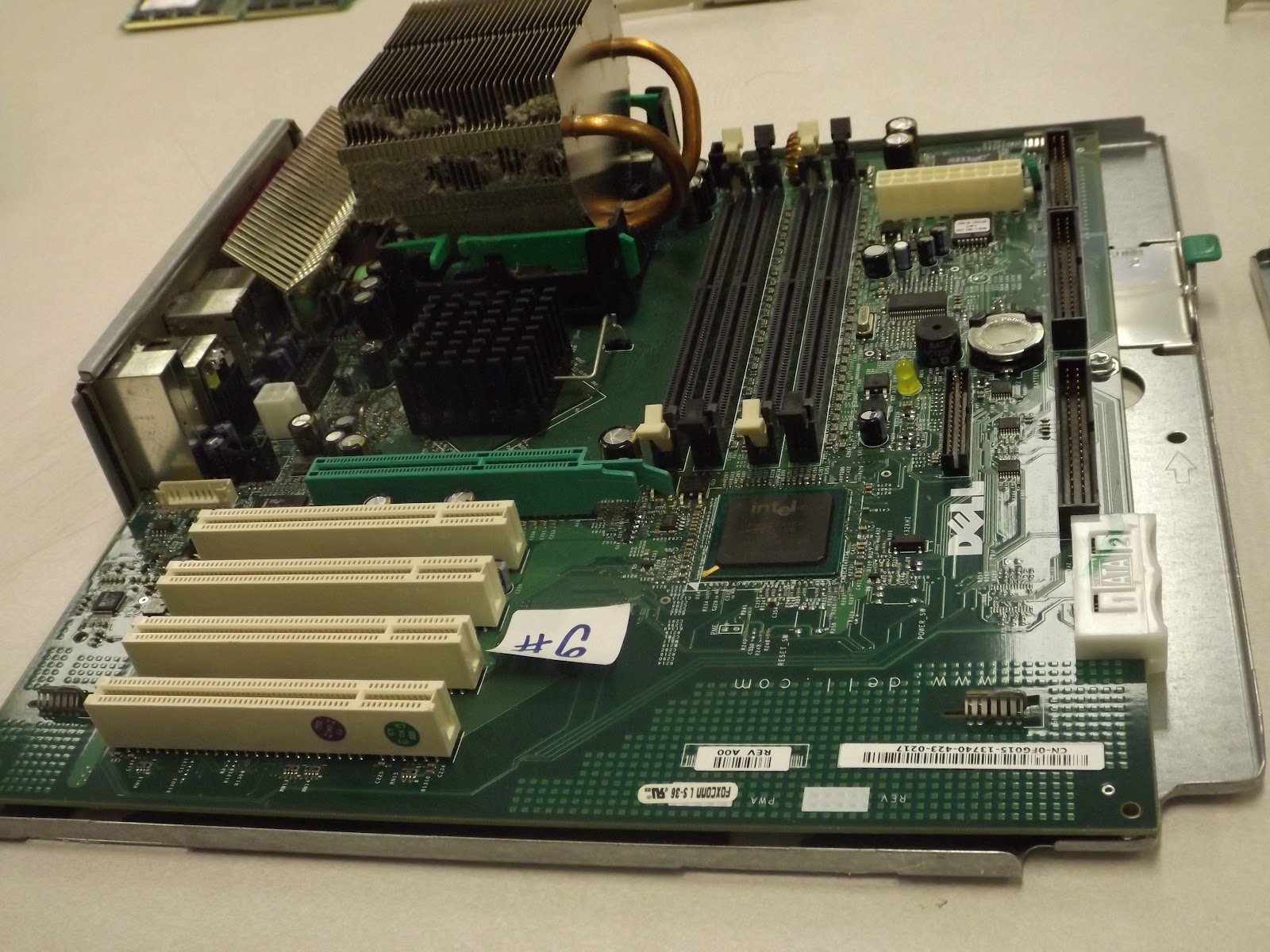
Motherboard or Mainboard- is the foundation of a computer system; holds together many of the crucial components of a computer. It also allows the other parts of the computer to communicate with one another.
Popular companies that manufacture Motherboards are: Gigabyte Technology, and Asus
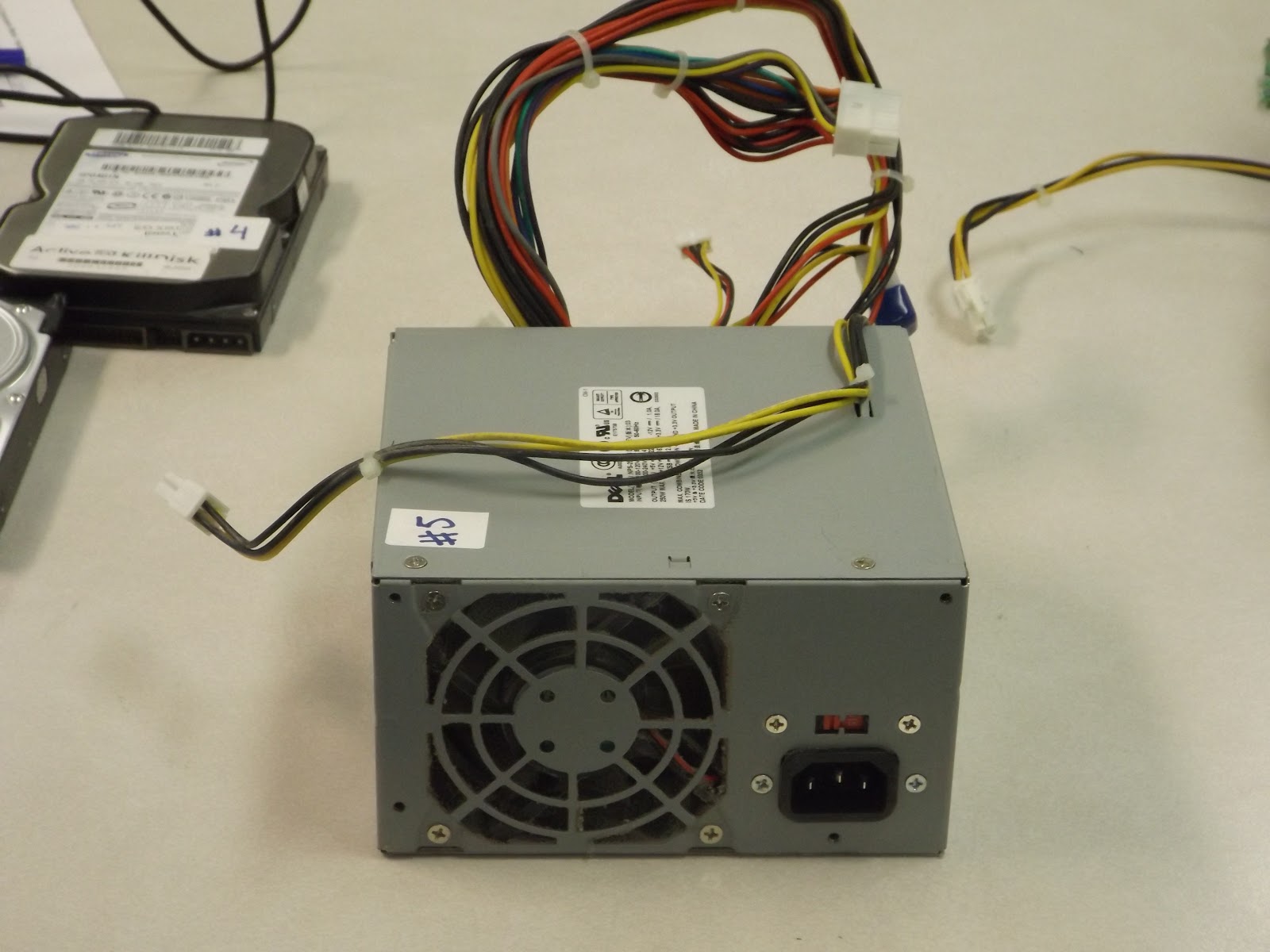
Power Supply Unit- provides power to the computer system.
Popular companies that manufacture Power Supply Units are: Analog Devices, Inc, and Glu Mobile, Inc
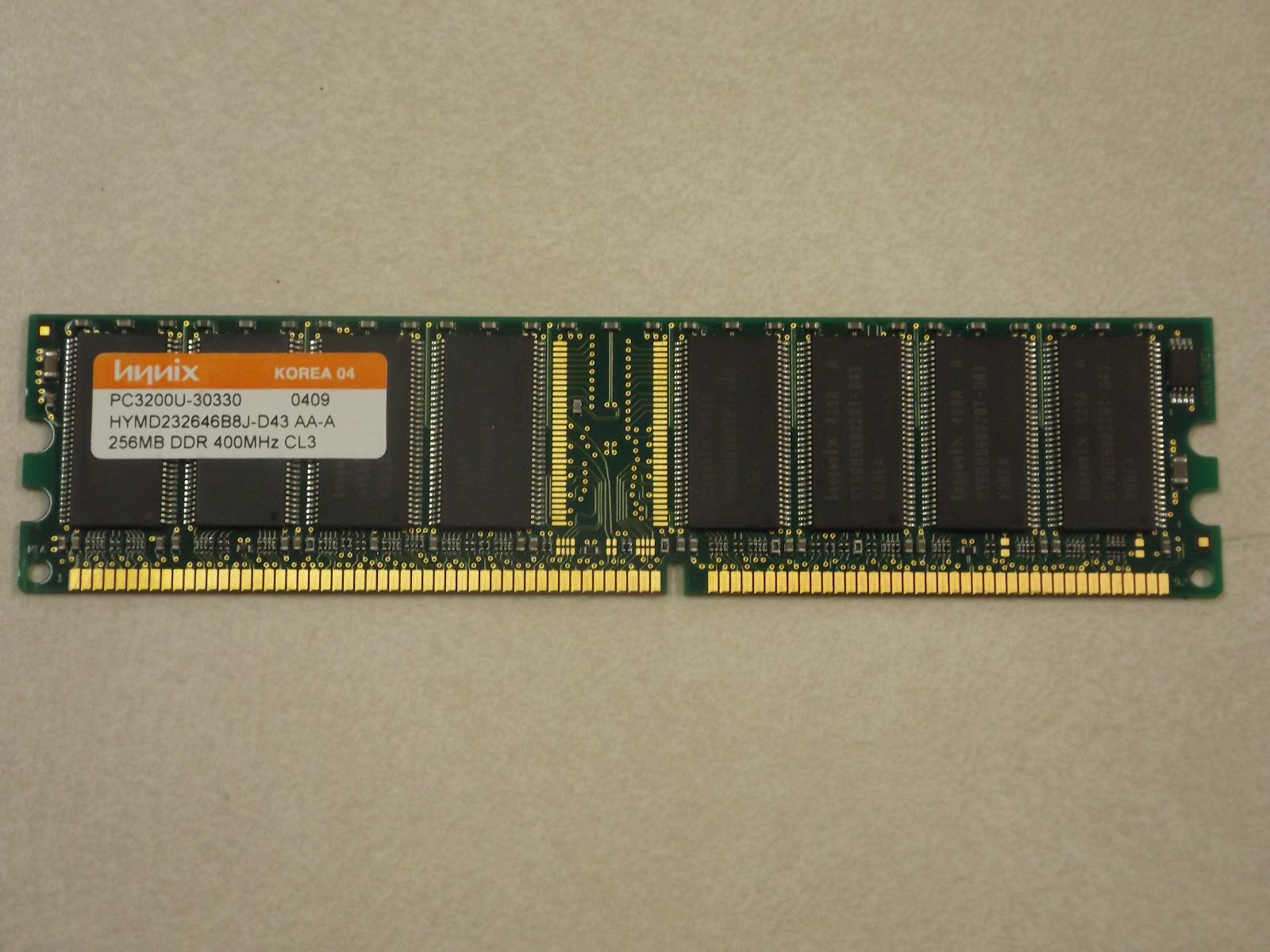
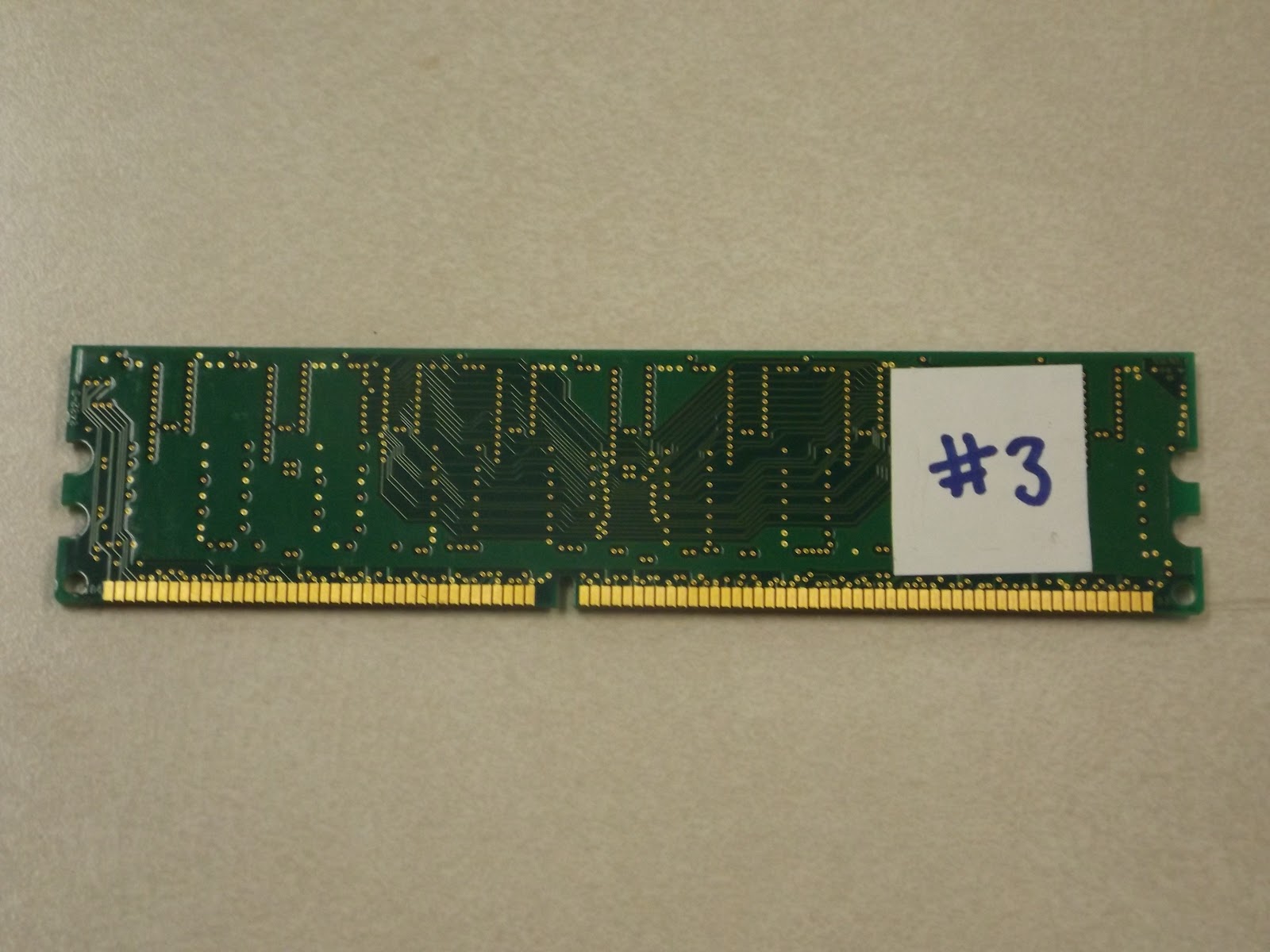
Random Access Memory (RAM)- stores information on a computer so that it can be retrieved easily. But, the RAM’s storage is only temporary. If the computer is turned off, it loses all stored information.
Popular companies that manufacture RAMs are: Apacer, and SK Hynix
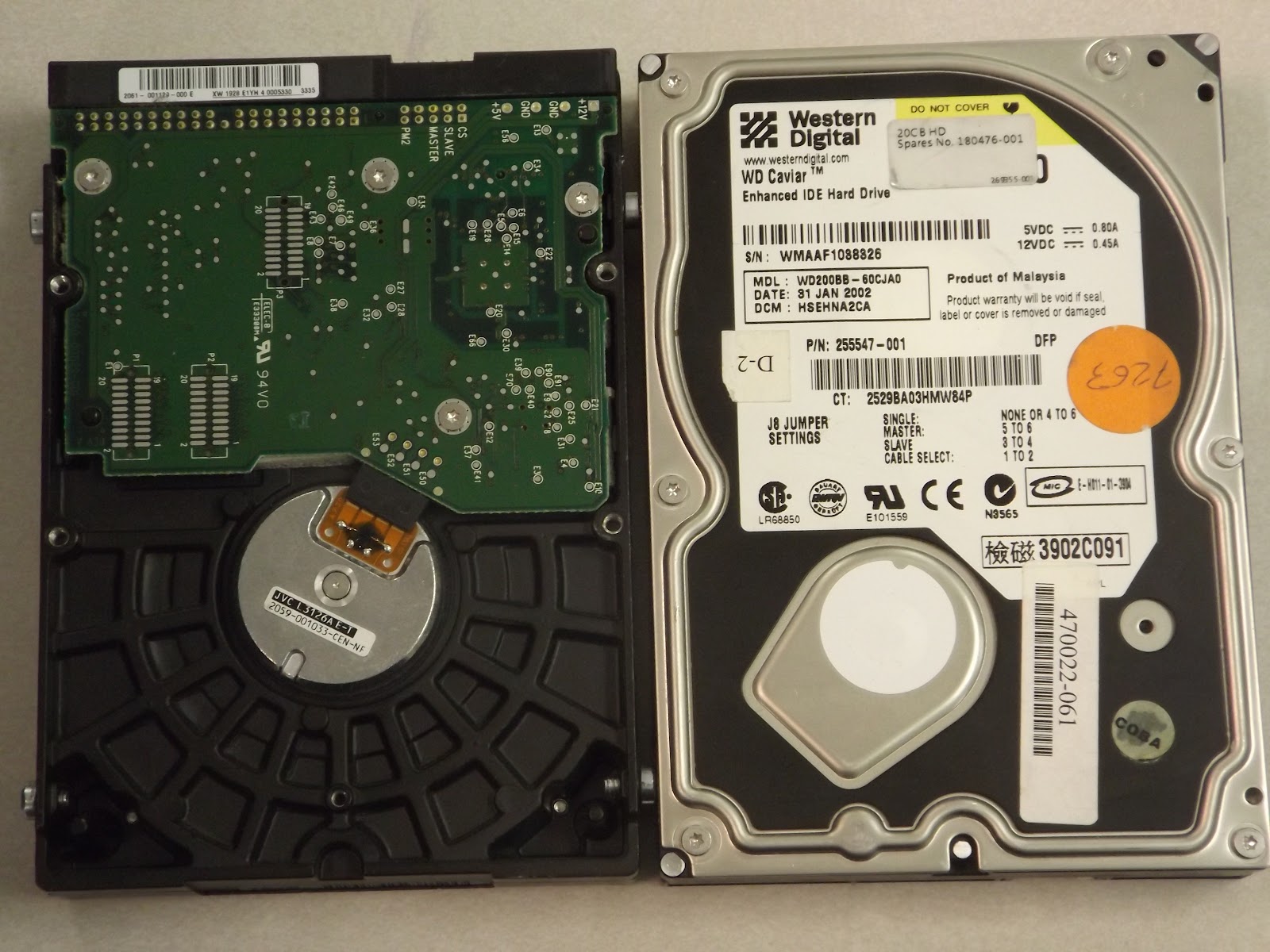
Hard Drive- is a device that permanently stores and retrieves information.
Popular companies that manufacture Hard Drives are: Western Digital Technologies Inc, and Seagate
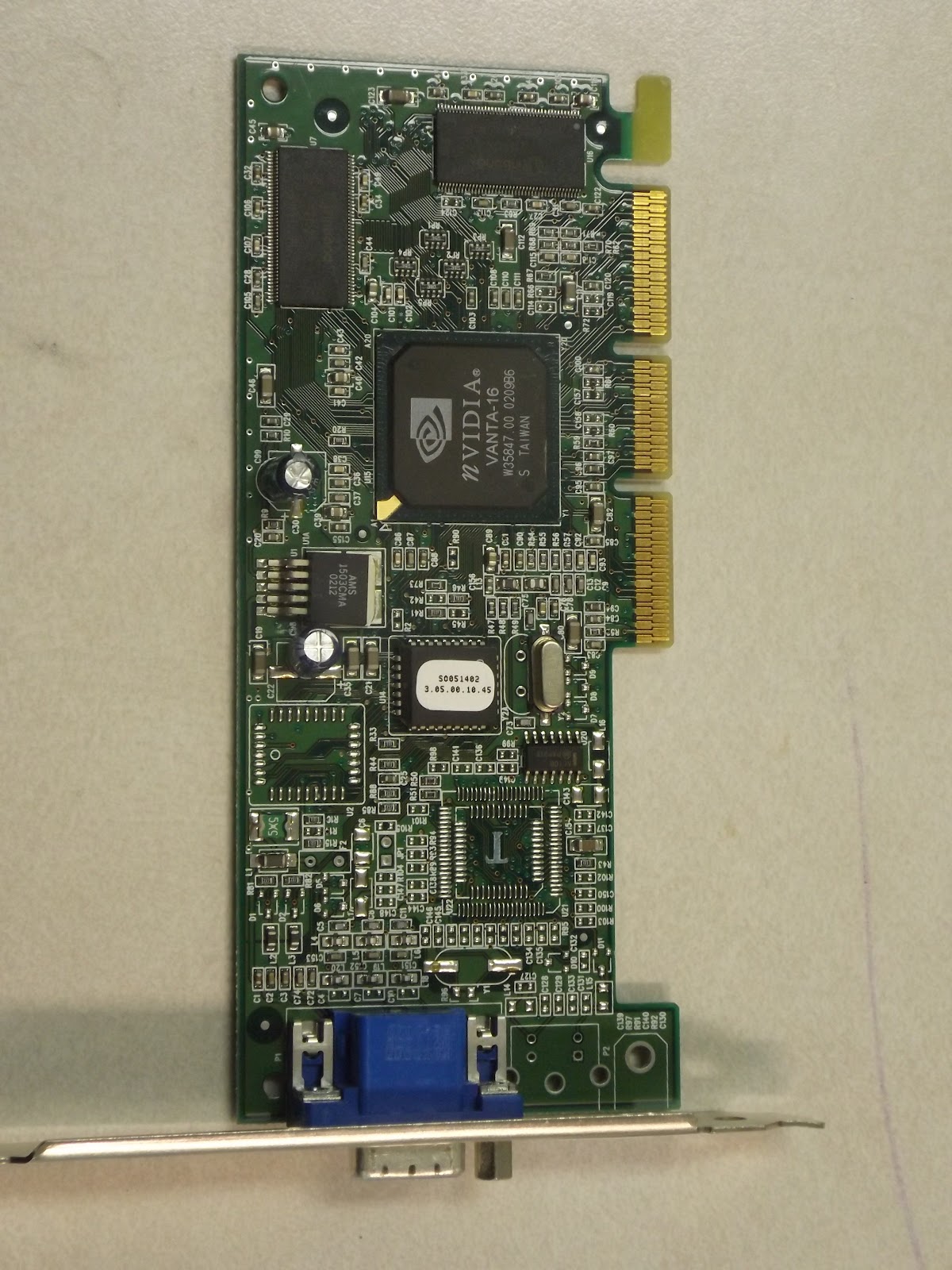
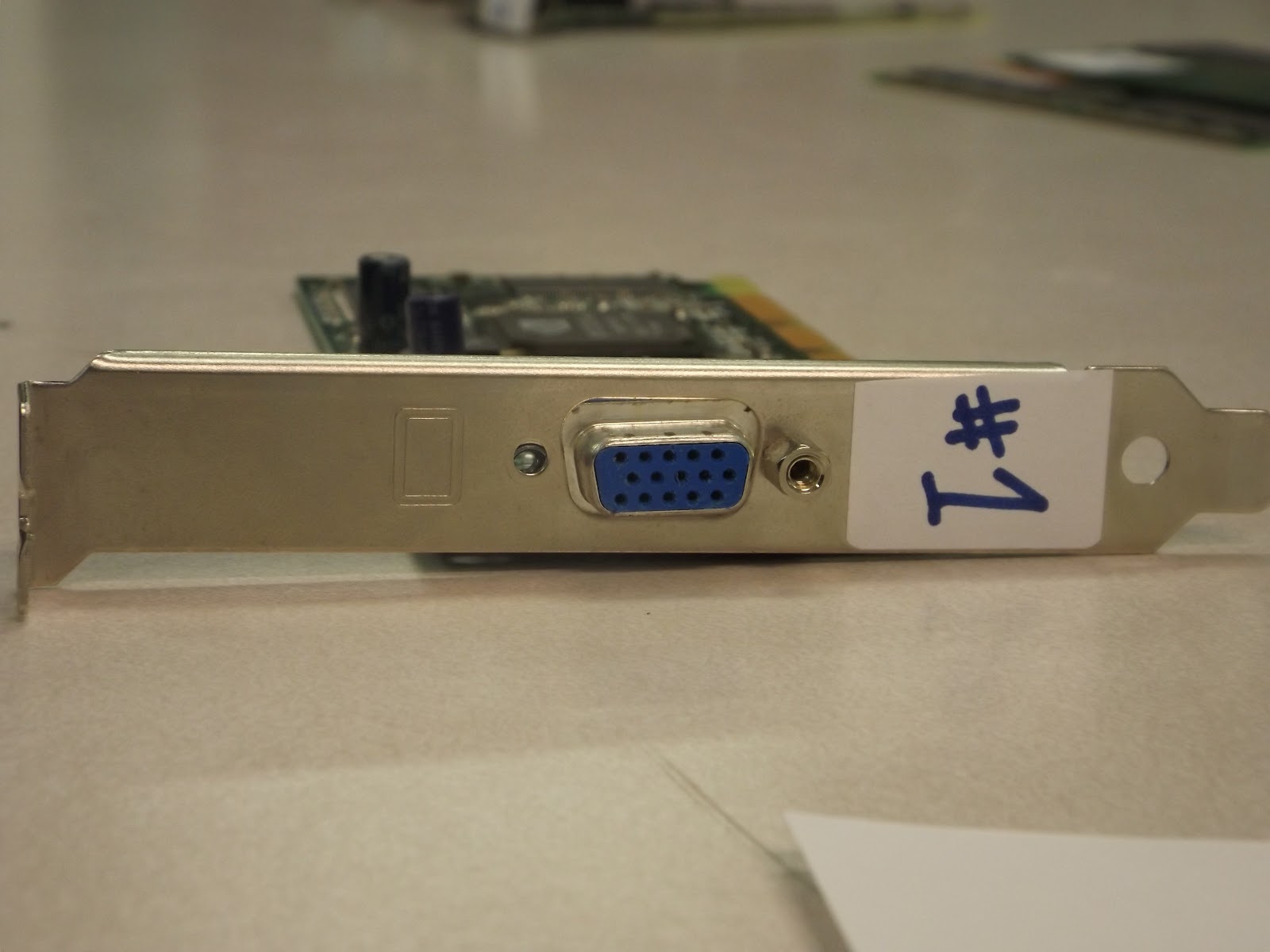
Video Card- creates the picture on a screen.
Popular companies that manufacture Video Cards are: Asus, and MSI
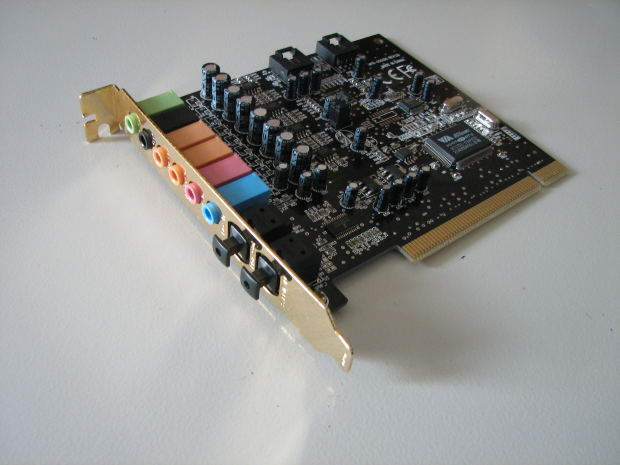
Sound Card- produces sound on a computer that can be heard through speakers or headphones.
Popular companies that manufacture Sound Cards are: Creative Technology, and Asus
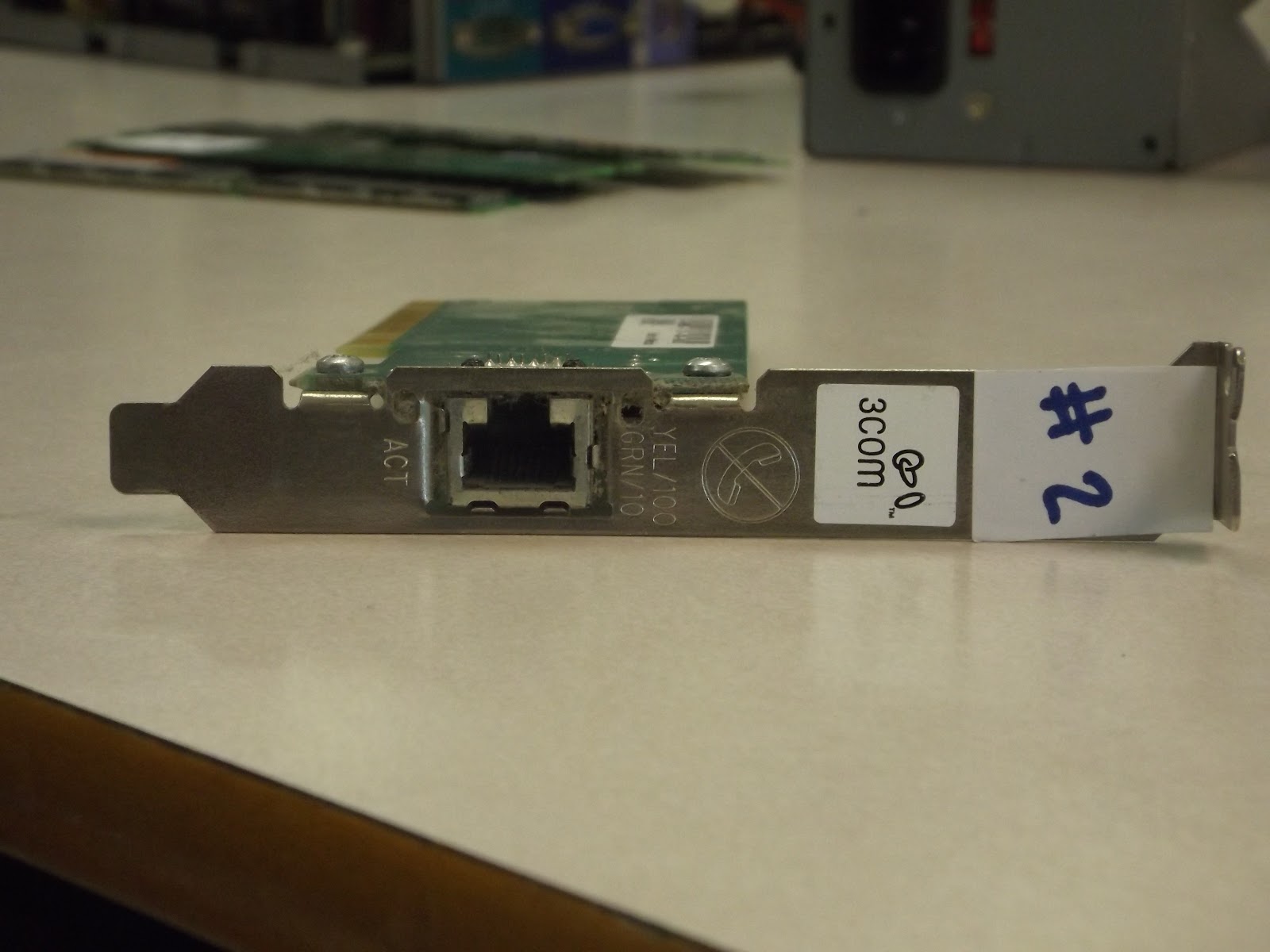
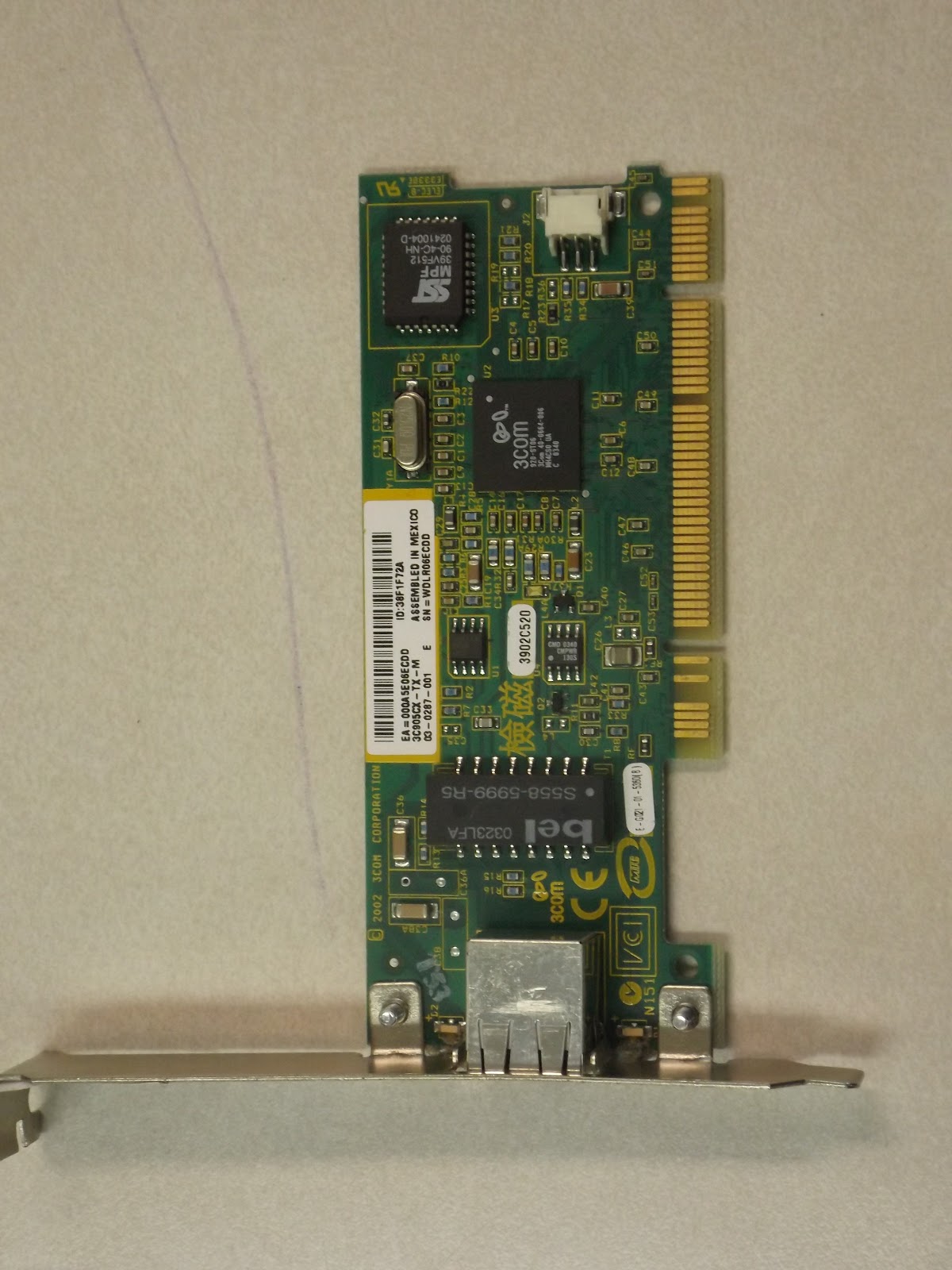
Network Card- enables a computer to connect to a network; through this you can access a home network, or the Internet.
Popular companies that manufacture Network Cards are: Asus, and 3Com
Sources:
www.computerhope.com
www.investopedia.com
www.ranker.com
Tuesday, 22 March 2016
Wednesday, 16 March 2016
Journal #8: Digital Law
Once finishing this unit, the thing I found most surprising was how even with all of the companies that have started, and all the support that is provided all over, suicide rates are still high. Even though things like cyberbullying, and copyright, and all of these things discussed in this unit are illegal, they are still so common! We blame the internet for all of our problems, but we need to be the change. It shocks me that we are taking so long to realize this.
The part of this unit that I have had the most trouble with was the section on copyright. I found it difficult to locate the answers to the questions, and to judge how much information was too much. As well, it was a challenge for me to understand the different rules there are involving music, and plays, and how they all change depending on the situation. These problems were easy for me to solve because I would just simple reread the material given and examine the information.
The "Copyright Matters!" manual in my opinion, is a good resource for children curious about the rules of copyright. It displays information in an effective way, so the reader may understand. The only issue I have with this manual is how unclear it is about what the consequences are if you violate these rules. I think it would be more helpful if that was stated, but overall, it gives us a well put interpretation of the digital law on copyright.
I have to say, the website "NeedHelpNow.com" is an excellent source of information. In my opinion, it is something that can help many people of all ages struggling with several, diverse issues. If you are going through a difficult time in your life, I believe the information, and advice given on this site can do a lot to ease your mind. As someone who has gone through situations like some of the ones subjected here, whether it be with myself, or someone else, a site like this can be really helpful. Especially for those who do not know where to turn, or how to handle their problems, it can be a great resource.
The biggest issue with copyright in young people today, in my opinion, is that they fail to understand the consequences of copyright. They do not realize that when they copy other's work, they are in fact stealing. I think that half of the time, they do not see how serious of an issue this really is.
I think the biggest issue with young people regarding cyberbullying (and privacy) is again, being unaware of the effect they are having on others. Exposing others in a way that can harm them is bullying, and sometimes we do not even notice we are doing this. Our carelessness can affect other's lives, and even end them. This is a huge responsibility for young people, to be as careful as possible when posting things online, or even just when speaking to others. You need to be cautious of other's feelings, and what they could be going through.
I have to say, the website "NeedHelpNow.com" is an excellent source of information. In my opinion, it is something that can help many people of all ages struggling with several, diverse issues. If you are going through a difficult time in your life, I believe the information, and advice given on this site can do a lot to ease your mind. As someone who has gone through situations like some of the ones subjected here, whether it be with myself, or someone else, a site like this can be really helpful. Especially for those who do not know where to turn, or how to handle their problems, it can be a great resource.
The biggest issue with copyright in young people today, in my opinion, is that they fail to understand the consequences of copyright. They do not realize that when they copy other's work, they are in fact stealing. I think that half of the time, they do not see how serious of an issue this really is.
I think the biggest issue with young people regarding cyberbullying (and privacy) is again, being unaware of the effect they are having on others. Exposing others in a way that can harm them is bullying, and sometimes we do not even notice we are doing this. Our carelessness can affect other's lives, and even end them. This is a huge responsibility for young people, to be as careful as possible when posting things online, or even just when speaking to others. You need to be cautious of other's feelings, and what they could be going through.
Tuesday, 15 March 2016
Assignment #2: Cyberbullying and Privacy
1. Two actions that can violate someone's privacy are:
Non-Consensual Distribution of an Intimate Image: there is a sexual/intimate photo taken during private circumstances, and then posted online, or sent out to others knowingly by the person who has taken/received the photo. Without the permission of the person within the photograph, the person could be charged.
Voyeurism: watching or recording a person in secret, while they're unaware. This is accurate in situations where the person is: in a place where they might be expected to change or remove clothing (bedroom, bathroom, change room, cabin, tent); all or partially naked or engaged in sexual activity at the time; or where the recording is done for sexual reasons.
2. Acts That Make Others Feel Unsafe:
Blackmail (extortion): forcing someone to do something by making threats, or being violent.
Acts that Hurt the Reputation of another Person:
Impersonation: pretending or claiming to be another person for your own personal benefit, or to harm anyone involved, (the person being impersonated, others involved with that person).
3. You can report a potential crime by informing the proper authorities like the Police, by visiting online at Cybertip.ca, other options include telling an adult (parent, guardian, teacher, anyone you trust), or even calling Kids Help Phone.
4. The first section I chose to explore was "Seeking Emotional Support". In this section it provides you with ideas for seeking support during difficult times in your life. By giving you advice on approaching your parents, friends, and other "safe adults", it gives you a better idea on how to handle these situations. While these are important parts of the overall subject, it also explores into advice on coping, how to manage your stress, and relationships. It explains all the ways we need to look at the problem by "remembering who we are", and how looking forward, rather than into the past, is one of the best ways to remain positive. These subjects explain how you can, change the situation, or adjust the way you are responding to it, as well as how to notice an unhealthy relationship. The second section I looked through was "Helping a Friend". This is a very helpful section, explaining how to detect the warning signs of your friends deflating health; how to help them in these situations; and finally, when there is urgent help needed. Every subject is thorough with their explanations allowing it's readers to receive valuable information on the topics.
5. One thing that I found interesting during these videos is how much help, and support we all have as people in the world. Suicide is a common part of all of our lives, yet people still continue to hate and drive people to this point. I found the overall story interesting of how they have all come together to support those in need, and I believe we need a lot more of that in our world today. It is sad that even with all of this support we still see many people taking their lives, but this is because we need to be the change we want to see in the world. You cannot let others control your lives, and we can change the story if we just speak out to others in need.
6. You could help promote the #ChangeTheStory campaign by sharing your own ways to change the story, through your own personal videos and images.
Monday, 14 March 2016
Assignment #1: Copyright and Copy-wrong
1. "Fair Dealings" protects a person when using other materials for the purposes of research, private study, criticism, review, news reporting, education, satire, and parody.
2. Under fair dealings, up to 10% of a copyright-protected work can be copied.
3. It is prohibited to share multiple excerpts from the same copyright protected work, according to copy right law.
4. A fee can be charged for using other people's work without permission but only a fee that covers the costs of the institution, including overhead costs.
5. Teachers are permitted to use copyright protected material for educational purposes, provided there are no other copyright free forms of the material needed.
6. A school is not permitted to make a large print book of copyright protected material, without the permission from the copyright owner.
7. A student or teacher is permitted to use audio or video for school projects as long as they follow specific rules. For example, it must take place on the premises of an educational institution; it must be for educational or training purposes; it must not be for profit; it must take place before an audience consisting primarily of students of the educational institution, persons acting under its authority, or any person who is directly responsible for setting a curriculum for the educational institution; and it must not involve a “motive of gain.“
8. It is allowed to preform a play that is copyrighted in the case that it is for a drama class, as long as the requirements previously stated involving audio or video usage is met as well. You are, under The Copyright Act permitted to use copyright protected music in performance in educational institutions. As long as the material is used for educational purposes, not for profit, and preformed in front of primarily members of an educational environment, it is permitted.
9. Schools cannot legally play copyrighted music at their dances or sporting events, without permission from SOCAN. This is the case because there is often a profit being made by the schools for these events, that is not being given to the original owner. A license can be obtained for these purposes.
10. If the answer is yes to the majority of the following questions, then the video or music use is permitted by The Copyright Act:
Did the music use occur during school hours?
Will the student be graded on the activity involving the music use?
Does the music use involve a demonstration by a student or teacher for other students, teachers, assessors, or parents?
Is it reasonable to consider the music use to be for educational purposes?
Was the music used on school premises?
If admission was controlled, was it free?
Was the music use for a non-profit purpose?
11. Anyone is permitted to use other's copyright protected material to create new works under the Copyright Act. Although, this is only acceptable provided they follow the rules:
- It can only be used for non-commercial purposes.
- The original source must be mentioned, if it is reasonable to do so.
- The original work used to generate the content must have been acquired legally.
- The resulting user-generated content does not have a “substantial adverse effect” on the market for the original work
12. A teacher or student is allowed to show a bought, or rented DVD in class, as long as the DVD is not an infringement copy of the original. It must be legally obtained.
13. It is illegal to copy a show or movie at home, to show at school. It is not permitted for teachers or students to do so, unless the DVD is obtained legally through rental, bought, or borrowed, they are not allowed by the Copyright Act, to show it in a classroom.
14. The owners of computer programs are allowed to make a single copy of these programs in the event of two situations:
An owner of a legitimate copy of a computer program may make one backup copy of that program. The person must be able to prove that the backup copy is erased as soon as he or she ceases to be the owner of the copy of the computer program from which the backup was made.
An owner of a legitimate copy of a computer program may also make a single copy of that program by adapting, modifying, or converting the computer program or translating it into another computer language, provided that: (i) the reproduction is essential for the compatibility of the program with a particular computer; (ii) the reproduction is solely for the person’s own use; and (iii) the copy is erased when the person ceases to be the owner of the copy of the program from which the copy was made.
15. Teachers and students are permitted to copy from the internet. There are a few basic rules including citing the source of your material, and using materials that are publicly available online.
16. Any original work I create in school is copyright protected. Knowing this, I feel safer about what I am creating, being aware that it is protected online, and made illegal to be copied. Although, it does make me wonder how this is effective, because I do know it is quite simple to copy a person's work, without anyone really noticing if the persons work is not popular. Therefore, I wonder how my work being protected is relevant, if there is nothing actually done in the situation that it is copied.
17. Keenan, G. (2016). Demystifying Copyright: The Way Down. New Brunswick: The Blackville, Young Writers Association. ISBN: 0-2-25746-098-1, $22.22
Thursday, 25 February 2016
Journal #7: Digital Access
One of the most surprising aspects of this unit for me, is the realization of how much we actually depend on technology. Today, if you live in an area with lack of, or slow, internet, odds are you will either complain until it gets fixed, or switch locations. It amazes me how much we use technology today, and how much even little towns are developing, just to keep from becoming a "ghost town". The thought of eventually becoming so dependent on technology in the future terrifies me. Some day, it is possible that this will occur, and there are so many benefits, but risks as well that this unit has shocked me with.
The most difficult part of this unit for me, was attempting to understand, and find, ways that technology could be harmful in the long run. I had to think about the chance of hacking, or the theft of personal information that could occur. Also, how these things could effect everyone was a big thought I had to consider. Eventually, I did decide on a few negative aspects, as well as positive, for the situations provided in assignment #2.
I do believe everyone should have reliable, fast access to the internet. It is helpful for many workers, as well as school goers, to complete their assignments, and other internet related work, at home. Also, it is a great method of communication for many families who are not always side by side. The internet is an amazing thing that connects a lot of people in many ways, to not have that connection would be difficult.
I believe everyone has a time when they become concerned about their privacy online, I am not exception. Especially over social media, with everyone being able to see everything, it is a scary situation. I am always considering ways to protect myself online, avoiding sharing too much is always a concern. You will never see me getting too personal or informative about myself online, I just do not seem to trust the internet that much. Constantly, I am protecting my accounts, like Instagram, my profile is private enough so that anyone who wishes to view my photos, or information, has to send a request by me first. I believe this is something all users should do.
Every time I post online today, I am always thinking about the future. It scares me that some of the ignorant, inconsiderate, posts I may have made in the past, when I was overly immature, could come back to haunt me in the future. So, today, I am constantly overlooking, and over thinking, each post I make so that I know it cannot harm me later in life. I hear stories all the time of employers, and post-secondary administrators examining their applicants social media to get an idea of what kind of person they are, and I do not wish for that to be me in a negative sense. Today, any controversial posts I may have are probably my opinions, or thoughts on subjects that I would be willing to stand by on 100%. If in the future, these posts do happen to affect me, odds are I will not be willing to comply with those of whom disagree to the extent of denying me a position of any sort.
I think the biggest issue with young people today, and digital access is the failure to think about the future. You see children, and teens of all ages, posting harmful media that some day will most likely harm them greatly. It is my opinion that everyone should carefully monitor what they post online now, because that stuff does not go away, and the internet is a huge place. In the future, you will regret your past decisions, if it affects you, and possibly your dream school, or even job. Everyone should think twice before hitting that post button.
Wednesday, 24 February 2016
Assignment #2: Privacy Please.
Situation #2- The benefits of an election done 100% online would be efficiency. The majority of residents would have the means to participate, and voting counts would increase, which is a huge improvement for the government. As well, the challenge of tallying up the votes would disappear, it could be done quickly and easily with the support of technology.
Some points against the matter though, are also issues that involve the efficiency of online. It would be easier for these votes, done "anonymously" to then become public knowledge. Also, the internet is not 100% secure. For some, it is as easy as 1-2-3 to hack into a computers data base and interfere with voting counts. This could result in some form of terrorist effort, or even just an election done against the majority's favour.
Situation #3- Again, the benefits of such a situation involve efficiency, but also prior knowledge for students. It would be much more convenient for parents to have the ability to connect to a website, to view their child's grades, and improve as necessary. Also, it would be helpful for the students to be aware of their possible declining grade, so they are able to adjust their habits to fit more suited grades.
But, this situation may be an issue as well. Having digitally connected records of student's marks could be dangerous for those who know enough to be able to hack into the computers, and edit the information. This could lead to inaccurate results on the behalf of a few, and leave the more achievable students without recognition. Although this could be an issue, it could also effect the aspect of the school's security. More people could find ways to access the network, and get out personal information of some, that should not be shared.
Situation #4- Many benefits could come from using computers as a new form of education systems in 2020. It would be better for students especially, to be able to do your work from the comfort of your home, without the distractions of other students. You will be able to work at your own pace, and avoid being held back by others in a classroom. As well, there would not be the worry of losing class time during storms, and becoming behind in your lessons.
Even though there could be major benefits of this situation, there are also many downfalls. There would be a loss of jobs for teachers, and administrators, grades could decline, and the worry of those who do not have the means to use a computer for such. Without the aid of staff, student's grades could fall due to the lack of understanding some may have, when not taught the lessons physically. These could be issues far too great to take the risk.
Assignment #1: Fast Internet Speeds in Small Towns
1. Some of the internet connections in rural communities mentioned in the article are ten times quicker, like in Olds, Alta; the fastest internet in the country.
2. These communities are getting faster internet speeds than what is even being offered by many Canadian Telecom companies by putting high-throughput fibre-optic cables directly into homes and businesses. They are installing their own high-speed fibre-optic cables,
3. The community of Harriston is considered "fortunate" according to Hope Reidt because their owners are very forward-thinking. They're "way ahead of the curve in terms of wanting to provide the best technology available" as he states, because homes started getting fibre-optic cables installed in 2008.
4. Olds community decided to build their own fibre network because businesses were becoming frustrated with the "sluggish internet" and had threatened to leave town. They paid for this service by using government grants and loans connecting every home along the way.
5. Once the community of Stratford installed it's own fibre optic network, it attracted more attention from investors like The University of Waterloo and the Royal Bank opened up a $400-million data centre there.
6. Bell installed fibre optics in more than a million premises in Atlantic Canada, and also to Northern Ontario.
7. Small towns and communities need high speed internet more than ever now in order to keep employers and residents from leaving to move to better connected cities, abandoning them in the dust.
8. The Federal government supplied around $305-million to increase internet access in Canada.
Tuesday, 23 February 2016
Journal #6: Digital Business
I found most surprising in this unit that there are companies that people trust with their money, that are not the most secure choices. They are putting their money, and personal data, into hands that are not always safe, which can be a very poor choice on their behalf. It shocked me how common this actually is, but also that there are companies who take good care of you, and your money.
For me, it was most difficult to decide which method of shopping was more convenient for it's buyers. I had trouble deciding whether online shopping, with it's expanded options involving items and locations, had better opportunities than store shopping. In the end, although it was hard, I figured having a closer, more available option, with easier return policies, and urgency requirements, was the preference for many others who may not have access to online stores.
My mother use to be one of online's greatest shoppers. At first, she had a lot of luck with her items, they all fit the stated condition that the sites said, and she enjoyed them very much. But, after so long, she became careless with which stores she shopped from, abandoning the research she should have done on each company. At one point, she had purchased a pair of leggings with fur interior. She had selected a size medium, because she figured they would stretch if they did not actually fit exactly like they should. Once the purchase arrived in the mail, my mother realized her biggest mistake: she did not check to see which country she was shopping from. The leggings had come in a size medium, based off of a typical woman figure from China, the pants would not even fit me. We then realized that online shopping is a lot more difficult than expected.
I have never sold items online personally, but I do know others who have. Overall, I would say their experiences were quite positive, they did not encounter any theft, or scam buyers. In the end, they did sell all of their items they had wished to sell.
Two tips that I found particularly helpful or important are:
- "When buying using KIJIJI and other online service make sure buying is done in a PUBLIC PLACE and never send money via mail or other ways to the seller." This tip is important in my opinion because of the scam factor of online shopping. Sometimes, the "seller" may be lying about the item they possess, and steal your money once you send it to them. Also, it is important to remember to purchase these items in a public place, in case the seller is, in fact, a scammer or even just a bad person in general who may take advantage of the situation during privacy.
- "Whenever possible use the "TAP" services when paying with credit cards and debit cards to limit the amount of time your card is with others." The importance of this tip is clear: the less time others have with your debit or credit cards, the less likely they are to steal your information, money, and possibly your identity.
The biggest issue around online shopping for young people today may be the innocence they all possess. Most are unaware of the circumstances, and many online sellers could take advantage of this ignorance. They are more likely to be victims of scam, theft, and many other things because of this. We need to keep the young people of today knowledgable about the dangers and precautions we must take when online shopping.
Subscribe to:
Posts (Atom)